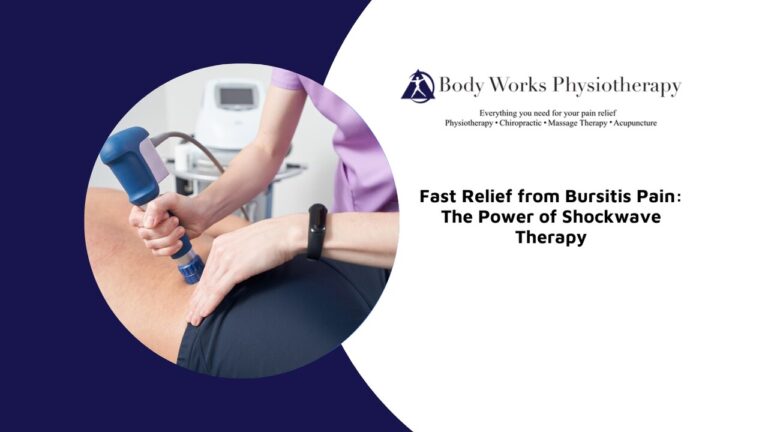

Shoulder pain can significantly impact your ability to move freely and perform everyday tasks. Whether it’s due to tendinitis, bursitis, or a repetitive strain injury, long-term discomfort often doesn’t respond well to rest alone. In this blog, we explore how shockwave therapy offers a non-invasive, science-backed treatment option for shoulder pain—especially when traditional methods fall short. From how it works to what you can expect during treatment, this guide will help you understand the benefits and suitability of shockwave therapy for a wide range of shoulder conditions.
Understanding Shockwave Therapy and How It Helps Treat Shoulder Pain
Shockwave therapy is a non-invasive treatment that uses high-energy acoustic waves to stimulate healing in soft tissues. Originally developed to treat kidney stones, it has since gained popularity in orthopedic and rehabilitation care—especially for stubborn musculoskeletal conditions.
When applied to the shoulder, shockwave therapy helps by increasing blood flow, reducing local inflammation, and triggering the body’s natural repair mechanisms. This makes it a valuable option for both acute and chronic shoulder issues, particularly when other treatments like rest, ice, or medications have failed to provide lasting relief.
Because it works on a cellular level, shockwave therapy encourages tissue regeneration and breaks down scar tissue, which is essential for restoring mobility and reducing pain in the shoulder region.
Shoulder Conditions That Can Be Treated with Shockwave Therapy
Shockwave therapy has shown excellent results in treating a wide range of shoulder injuries and disorders, particularly those involving inflammation, chronic strain, or calcification.
- Tendinitis: Common in active individuals, tendinitis involves inflammation of the shoulder tendons. Shockwave therapy reduces inflammation and promotes healing in these overstressed tissues.
- Calcific Tendinopathy: This condition is characterized by calcium deposits within the shoulder tendons, often leading to sharp pain and stiffness. Shockwave therapy can break down these deposits and restore range of motion.
- Bursitis: Inflammation of the bursa (fluid-filled sacs that cushion joints) often causes pain during movement. Shockwave therapy helps by reducing swelling and restoring function.
- Rotator Cuff Injuries: These injuries are often resistant to conservative care. Shockwave therapy stimulates tendon repair and improves shoulder strength and flexibility.
- Frozen Shoulder (Adhesive Capsulitis): Shockwave therapy may help reduce capsular tightness and pain, aiding in a faster return to function.
- Muscle Strains and Overuse Injuries: For those with repetitive strain from work, sports, or posture-related stress, shockwave therapy accelerates recovery by addressing tissue microtrauma directly.
This broad applicability makes it a useful option for many people struggling with shoulder pain.
Addressing Chronic Shoulder Issues Like Tendinitis or Bursitis: How Effective Is Shockwave Therapy?
Chronic shoulder conditions can be challenging to treat, especially when inflammation and restricted mobility become long-standing problems. Shockwave therapy is particularly valuable in these cases.
Clinical studies report success rates of up to 80% for shoulder conditions like tendinitis and bursitis. The therapy works by enhancing circulation and stimulating a healing response that persists even after the treatment ends. As inflammation decreases, people typically report a steady reduction in pain, better range of motion, and improved daily function.
Many individuals who haven’t responded to rest, anti-inflammatory medications, or physiotherapy alone often find that shockwave therapy provides the breakthrough they need.
What to Expect During a Shockwave Therapy Session for Shoulder Pain
If you’re new to shockwave therapy, understanding the process can help ease concerns and set appropriate expectations. The procedure is quick, targeted, and generally well tolerated.
- Preparation: The therapist applies a special gel to the shoulder area. This helps transmit the acoustic waves more effectively through the skin and underlying tissue.
- Treatment Delivery: A handheld shockwave device is placed on the affected region. The device emits rapid pulses of energy that penetrate deep into the tissue.
- Sensation: Some people feel a mild tapping or pulsing sensation, which may become slightly uncomfortable depending on the intensity level and sensitivity of the area.
- Duration: Sessions usually last between 15 to 30 minutes and require no downtime.
After treatment, you may notice immediate improvement, or the benefits may become more noticeable over the following days.
How Many Shockwave Therapy Sessions Are Required for Shoulder Treatment?
Every case is different, but most people with shoulder pain respond well to a short series of sessions spaced about a week apart.
- Mild to Moderate Conditions: These typically require around 3–4 sessions to achieve significant pain relief and functional improvement.
- Chronic or Complex Issues: Cases involving long-term inflammation or multiple structures (like tendons and bursae) may benefit from 6 sessions or more.
- Progress Monitoring: Your therapist will adjust the treatment plan based on your individual response and rate of improvement.
The cumulative effect of each session leads to longer-lasting relief and functional recovery, often with results noticeable early in the treatment process.
Possible Risks or Side Effects of Shockwave Therapy for Shoulder Pain
Shockwave therapy is a safe and well-established treatment with a low risk of side effects when administered by trained professionals. However, as with any therapeutic modality, mild reactions can occur.
- Common Side Effects: Temporary soreness, redness, or mild swelling at the treatment site are normal and usually resolve within 24–72 hours.
- Rare Risks: Bruising or skin irritation may occur in sensitive individuals, though these effects are uncommon.
- Post-Treatment Recommendations: Avoid strenuous activity for 24–48 hours after treatment to allow tissue recovery.
When delivered properly, shockwave therapy is an effective and safe option for individuals seeking relief from persistent shoulder pain.
How Shockwave Therapy Compares to Other Treatments for Shoulder Injuries
When evaluating treatment options for shoulder pain, it’s important to weigh not only effectiveness but also invasiveness, recovery time, and long-term benefits.
- Compared to Medication: While medications temporarily reduce pain and inflammation, they don’t promote tissue healing. Shockwave therapy, on the other hand, stimulates regeneration at the source.
- Compared to Corticosteroid Injections: Injections can offer fast relief but may weaken tissues over time if repeated. Shockwave therapy avoids this risk by working with the body’s natural healing mechanisms.
- Compared to Surgery: For many, shockwave therapy serves as an excellent non-surgical alternative — particularly for chronic tendinopathies or calcific conditions.
- Compared to Physiotherapy Alone: Although manual therapy and exercises remain crucial, adding shockwave therapy can accelerate progress and improve outcomes in difficult cases.
By integrating shockwave therapy into a broader rehabilitation plan, people can often avoid more invasive procedures while achieving long-term relief.
Regain Shoulder Mobility and Function
If you’ve been struggling with stubborn shoulder pain that hasn’t improved with rest, medication, or conventional physiotherapy, shockwave therapy may be the next step worth exploring. Its ability to target the root causes of pain—such as inflammation, tissue damage, and calcification—makes it especially effective for chronic conditions like tendinitis, bursitis, and rotator cuff injuries. Whether you’re an athlete, a busy professional, or someone dealing with age-related shoulder issues, this non-invasive therapy offers a safe and evidence-based path to healing. To learn more or determine if it’s right for you, book a session with Body Works Physiotherapy in Scarborough today.