
Back pain is one of the most common musculoskeletal issues affecting people of all ages. While traditional treatments like medication or rest may offer temporary relief, they often fail to address the deeper causes of discomfort. Shockwave therapy provides a modern, non-invasive solution that promotes natural healing through targeted acoustic waves. In this blog, we’ll explore how shockwave therapy works for back pain, the types of conditions it can treat, and what people can expect throughout the treatment process.
Understanding Shockwave Therapy and Its Role in Alleviating Back Pain
Shockwave therapy is a non-surgical treatment that uses high-energy acoustic waves to stimulate healing in damaged or inflamed tissues. When applied to the back, these waves increase blood circulation, break down scar tissue, and trigger cellular repair, all of which are essential for reducing pain and improving mobility.
This therapy is particularly effective for chronic back pain, where inflammation and muscular tension often persist despite rest or medication. By relaxing tight muscles and promoting tissue regeneration, shockwave therapy addresses the source of discomfort, not just the symptoms.
As a result, many people experience not only relief from pain but also a return to more active, comfortable movement.
Common Types of Back Pain That Shockwave Therapy Can Treat
Shockwave therapy is a versatile treatment that can help manage a wide range of back pain conditions. It is especially beneficial for issues caused by repetitive stress, poor posture, or age-related degeneration.
Common conditions treated include:
- Muscle Strain: Acoustic waves relieve tension in overworked muscles and accelerate healing.
- Herniated or Bulging Discs: While it doesn’t correct disc structure, it helps reduce inflammation and muscle guarding around the area.
- Sciatica: Shockwave therapy can relieve radiating pain by reducing pressure on the sciatic nerve.
- Chronic Lower Back Pain: Often caused by lingering inflammation, tight muscles, or soft tissue dysfunction, this condition responds well to regular sessions.
- Spinal Ligament Injuries: By stimulating tissue repair, shockwave therapy supports recovery from ligament sprains or microtears.
- Arthritis and Degenerative Conditions: It can reduce joint stiffness and promote mobility by easing surrounding muscle tension and improving circulation.
This treatment is ideal for individuals who have not responded well to traditional options like rest, heat therapy, or medications.
Addressing Chronic Back Pain: How Effective Is Shockwave Therapy?
Shockwave therapy has shown strong results for individuals with persistent or recurring back pain. Rather than masking symptoms, it works by improving the condition of the affected tissues, allowing for long-term relief.
Individuals with chronic back pain often experience:
- Reduced pain intensity after just a few sessions
- Greater range of motion in the lower back and hips
- Less stiffness and muscular tension
- Improved function in daily activities like walking, bending, and lifting
The treatment’s effectiveness is rooted in its ability to break down calcifications, stimulate collagen production, and support the growth of new blood vessels. These combined effects reduce inflammation and encourage long-lasting healing.
For chronic cases, shockwave therapy offers hope when other approaches have failed or provided only temporary relief.
Shockwave Therapy Sessions for Back Pain: What to Expect
A shockwave therapy session is quick, non-invasive, and designed to target the source of pain without disrupting your daily routine. Here’s a breakdown of what the typical session involves:
- Preparation: The clinician will apply a conductive gel to the treatment area. This improves the delivery of acoustic waves into the tissues.
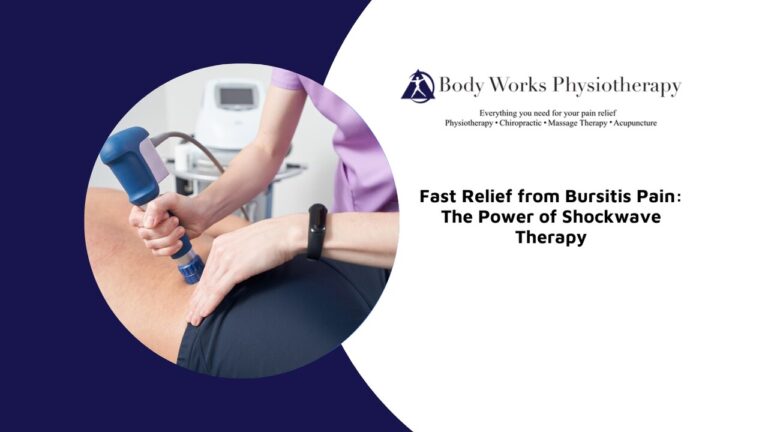
- Device Application: A handheld device is placed over specific points on your back, delivering targeted sound pulses that penetrate the skin and underlying tissues.
- Sensation: Most people describe the feeling as rhythmic tapping or pulsing. It can be mildly uncomfortable, especially in more tender areas, but is generally well-tolerated.
- Session Duration: Each session usually lasts between 15 and 30 minutes, depending on the condition being treated and the area covered.
- Post-Session Guidance: You’ll be able to resume normal activities almost immediately. However, your provider may advise against strenuous exercise or heavy lifting for the next 24 to 48 hours.
This straightforward process allows for effective pain management without the need for medication, injections, or downtime.
How Many Shockwave Therapy Sessions Are Required for Back Pain Relief?
The number of shockwave therapy sessions needed for back pain depends on the severity of your condition and how your body responds. Most people begin to notice positive changes within a few treatments. Those with mild to moderate pain often see improvement after about three to five weekly sessions. For individuals dealing with chronic or more severe cases, six or more sessions may be necessary to achieve lasting results. In some instances, especially where ongoing issues like arthritis are involved, maintenance sessions may be recommended periodically to help manage symptoms and prevent flare-ups. Your progress is closely monitored throughout treatment, and the plan may be adjusted as needed to ensure it aligns with your body’s healing response and recovery timeline.
Shockwave Therapy for Back Pain: Understanding Possible Risks
While shockwave therapy is generally safe, especially when performed by trained professionals, it’s still important to understand potential side effects and how your body might respond. Most reactions are mild, temporary, and manageable.
Common side effects include:
- Redness or Swelling: The treated area may become slightly inflamed due to increased blood flow, but this usually subsides within 24–48 hours.
- Temporary Soreness: A common aftereffect, similar to muscle soreness following a workout, often occurs as tissues respond to the treatment.
- Mild Bruising: Some individuals may notice light bruising, particularly in areas where the skin or tissue is more sensitive.
- Sensitivity at the Site: Occasional tenderness or discomfort may be felt after treatment, but it typically fades quickly without intervention.
- Rare Reactions: In uncommon cases, individuals with underlying health conditions may experience more pronounced effects, which is why pre-treatment screening is essential.
Your provider will review your health history and screen for contraindications, such as pregnancy, blood clotting issues, or use of anticoagulants, to ensure the treatment is appropriate for you.
Shockwave Therapy vs. Other Treatments for Back Pain
Shockwave therapy stands out because it addresses the underlying cause of pain rather than just masking symptoms. Unlike medications, which often offer temporary relief, or surgery, which comes with significant risks and downtime, shockwave therapy promotes natural healing with minimal disruption.
Compared to other common treatments:
- Medications: Offer symptom relief but don’t fix tissue damage or dysfunction.
- Surgery: May be necessary in extreme cases, but involves higher risks and recovery time.
- Physiotherapy: Can be highly effective, and shockwave therapy may be used alongside it to accelerate progress.
- Massage or Heat Therapy: Provide temporary relaxation, but lack the deeper regenerative effect that shockwave therapy offers.
Many people find that combining shockwave therapy with exercise or manual therapy leads to better and faster results. It can be a valuable part of a multidisciplinary plan tailored to your specific condition.
Pain is No Longer in Control
If you’re dealing with persistent or recurring back pain and are seeking a non-surgical, drug-free solution, shockwave therapy may offer the support you need. It’s a safe and effective option that works by enhancing your body’s own ability to heal. Whether you’re managing chronic tension, sciatica, or degenerative discomfort, consider exploring this evidence-based approach as part of your recovery plan. To learn more, book a session with Body Works Physiotherapy in Scarborough and take the next step toward lasting back pain relief.