Say Goodbye to Jaw Pain!

Relieve Jaw Pain, Restore Comfort, Reclaim Your Life
Struggling with jaw pain, clicking sounds, headaches, or tightness when chewing or talking? You may be dealing with TMJ disorder, and you’re not alone. At Body Works Physiotherapy in Scarborough, we offer TMJ physiotherapy to target the root of your discomfort and restore full, pain-free jaw function.
Whether your symptoms stem from stress, grinding, misalignment, or an injury, our dedicated physiotherapists develop customized, evidence-based treatment plans to relieve pain, reduce inflammation, and improve mobility. You don’t have to live with constant tension or limit your lifestyle—lasting relief is possible, and it starts here.
Everyday We Help Hard Working People Like You Live Pain Free
Why Choose Us?
When dealing with something as complex as the temporomandibular joint (TMJ), you need more than a general approach—you need targeted treatment. Here’s why Scarborough residents choose Body Works Physiotherapy:

Improve and maximize your health today!
What Is TMJ Physiotherapy?
TMJ stands for temporomandibular joint—the hinge-like joint that connects your jaw to your skull. It plays a vital role in chewing, speaking, and facial movement. When the TMJ becomes irritated, inflamed, or misaligned, it can lead to a range of symptoms known as TMD (Temporomandibular Disorders).
Common symptoms include:
At our Scarborough TMJ physiotherapy clinic, we treat these symptoms using a combination of techniques, including:
The result? A targeted treatment plan that relieves your pain, restores jaw function, and helps prevent future flare-ups.
Our Unique Approach to TMJ Rehabilitation
At Body Works Physiotherapy, we believe TMJ dysfunction is not just a jaw issue—it’s a whole-body issue. That’s why our approach is both comprehensive and customized. We look beyond symptoms to uncover and correct the root causes.
Here’s what your care journey will look like:
We walk beside you every step of the way—educating, supporting, and adjusting your plan as you heal.
Benefits of TMJ Physio
TMJ pain can impact so much more than your mouth. It can affect your sleep, focus, ability to eat, and even your mood. Our clients often report life-changing improvements, including:
Whether your TMJ dysfunction is recent or chronic, mild or severe, Body Works Physiotherapy Scarborough offers effective, compassionate care to get you feeling better—fast.
Take the First Step—Your Recovery Starts Here
Jaw pain doesn’t have to control your life. With TMJ physiotherapy, long-term relief is within reach. At Body Works Physiotherapy in Scarborough, we combine advanced training with personalized care to help you heal naturally and regain comfort in your everyday life.
Book your assessment today and take the first step toward lasting relief from TMJ pain. Your jaw—and your body—will thank you.
We successfully treat several common painful conditions
Restore Your Optimal Health And Build Healthy Lifestyle Goals
Evidence-Based Treatment Options
Our effective treatments use proven techniques to treat the root cause.
Direct Insurance Billing
Whenever feasible, we provide direct billing to your extended health insurance, not to you.
Hassle-free Hours of Operation
Body Works is open from 8:00 am to 7:00 pm. If you work past 5:00 pm, you can still get the treatment you need.
Regular Staff Training
We’re always working hard to stay up to date with the latest chiropractic techniques.
Convenient Locations
Our Ellesmere Bodyworks location is conveniently located in Scarborough.
Same Day Appointments
Looking to get in right now? Most of the days we allow additional time for emergency situations.
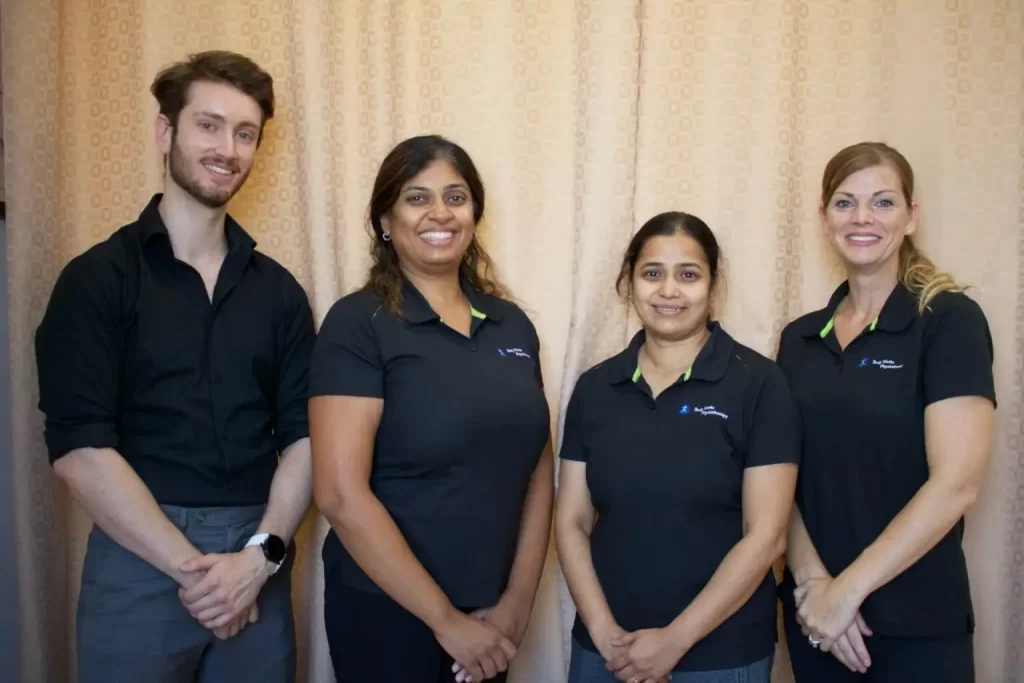
Your Team Of Experienced Therapists
Your team consists of highly trained professionals, all with extensive knowledge and experience. Each member of the team has been carefully chosen based on their skill set and ability to communicate with patients while putting them at ease throughout the treatment process. So you receive the benefit of both a holistic approach and an individualized approach with our personalized care.
Meet Our TMJ Physio Experts
Dr. Li Ma
Chiropractor
Shraddha Rakholia
Physiotherapist
Done-For-You Health Claim Billing
Most of our services are covered by common insurance plans in Ontario. We also direct bill your insurance company, which means more convenience and less paperwork for you.










Our Locations
Body Works Physiotherapy Ellesmere Scarborough
Body Works Physiotherapy – Pickering
How It Works
Book Your Appointment
Take the first step by clicking the button below to find a time that works best for your schedule.
Commit To Your Recovery
We’ll create a tailored plan of care solution to help you get the sustainable, long-term results that you have always wanted.
Reach Your Goals!
Enjoy your increased range of motion, decreased pain and your return to the activities you love. We’ll always be here to help again if needed.
TMJ Physiotherapy Scarborough FAQs
Reach out if you can’t find what you’re looking for.