
Shockwave therapy is emerging as a promising method for addressing neuropathy, a condition that affects the nervous system and can lead to pain, tingling, and numbness. By using sound waves to stimulate the body’s repair processes, shockwave therapy aims to reduce neuropathic symptoms and improve quality of life. In this blog, we will explore how shockwave therapy works, its effectiveness, the types of neuropathy it can benefit, and how it can be combined with other treatments for enhanced results.
What Is Shockwave Therapy, and How Does It Work for Neuropathy?
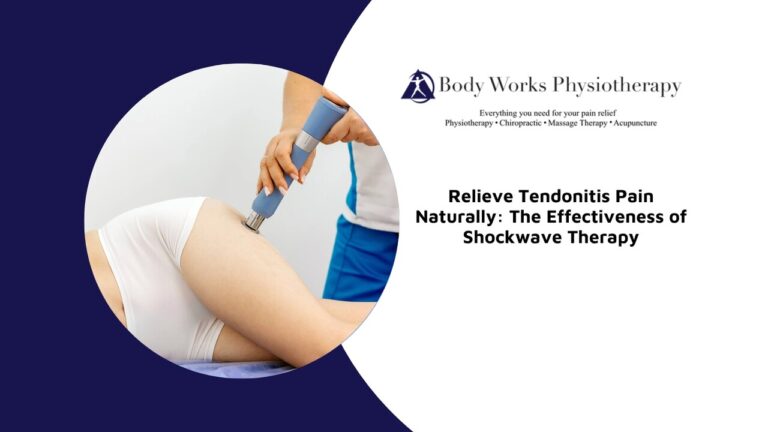
Shockwave therapy is a non-invasive treatment that uses acoustic waves to promote recovery and reduce pain associated with neuropathy. The therapy works by delivering high-energy sound waves to affected areas, stimulating nerve regeneration, improving blood circulation, and reducing inflammation. These processes can help alleviate neuropathic symptoms, offering a potential relief pathway for individuals dealing with various types of neuropathy.
Shockwave therapy is particularly appealing due to its non-surgical nature and the absence of medications, making it an attractive option for those seeking alternatives to conventional treatments. This therapy can be particularly beneficial for peripheral neuropathy, diabetic neuropathy, and post-surgical nerve pain, as it targets the root causes of these conditions.
In summary, shockwave therapy is a promising option for managing neuropathy by encouraging nerve regeneration and reducing inflammation, which can lead to significant improvements in symptoms.
How Effective Is Shockwave Therapy in Treating Neuropathy-Related Pain and Symptoms?
Shockwave therapy has shown considerable promise in managing neuropathy-related pain and symptoms by enhancing nerve function and reducing discomfort. By focusing on nerve regeneration and improving blood flow, this therapy can offer notable relief for those suffering from neuropathy. Specific benefits include reduced pain, improved mobility, and enhanced nerve function.
- Pain Reduction: Shockwave therapy can significantly decrease neuropathic pain by interrupting pain signals and stimulating natural repair processes in the body.
- Improved Mobility: By reducing pain and inflammation, shockwave therapy can enhance mobility, making daily activities more manageable.
- Enhanced Nerve Function: The therapy encourages nerve regeneration, which can lead to improved nerve function and reduced symptoms.
- Non-Invasive Treatment: As a non-surgical procedure, it offers an alternative to traditional treatments, reducing the risks associated with surgery.
- Minimal Side Effects: Shockwave therapy is generally well-tolerated, with few side effects, which makes it a suitable option for many individuals.
- Quick Sessions: Treatment sessions are typically brief, allowing individuals to return to their daily routines with minimal disruption.
- Complementary Use: It can be combined with other therapies to enhance overall treatment effectiveness.
To sum up, shockwave therapy is a highly effective option for managing neuropathy-related symptoms by reducing pain, improving mobility, and enhancing nerve function.
What Types of Neuropathy Conditions Can Benefit From Shockwave Therapy?
Shockwave therapy is versatile and can help manage various neuropathy conditions by promoting nerve regeneration and reducing inflammation. It is particularly effective for conditions like peripheral neuropathy, diabetic neuropathy, and post-surgical nerve pain, providing relief from chronic discomfort.
| Peripheral Neuropathy | This condition, which affects the nerves outside the brain and spinal cord, can benefit from shockwave therapy as it stimulates nerve repair and alleviates symptoms. |
| Diabetic Neuropathy | Shockwave therapy can help manage symptoms in individuals with diabetic neuropathy by enhancing blood flow and reducing nerve pain. |
| Post-Surgical Nerve Pain | Nerve pain following surgery can be alleviated with shockwave therapy, promoting faster recovery and reducing discomfort. |
| Entrapment Neuropathies | Conditions like carpal tunnel syndrome, where nerves are compressed, can benefit from the therapy’s ability to reduce inflammation and pain. |
| Chemotherapy-Induced Neuropathy | Individuals experiencing neuropathy as a side effect of chemotherapy may find relief through shockwave therapy’s regenerative effects. |
| Traumatic Neuropathy | For nerve damage due to injury, shockwave therapy can aid in the repair process, potentially restoring nerve function over time. |
In brief, shockwave therapy offers substantial benefits for various neuropathy conditions by facilitating nerve repair and reducing inflammation, which can significantly improve quality of life.
Can Shockwave Therapy Be Combined With Other Treatments to Enhance Neuropathy Management?
Shockwave therapy can indeed be combined with other treatments to enhance neuropathy management, offering a more comprehensive approach to care. By integrating this therapy with physiotherapy, acupuncture, or lifestyle modifications, individuals can experience improved outcomes. Combining treatments can address various aspects of neuropathy, such as pain, inflammation, and nerve function, thereby maximizing the overall therapeutic effect. Physiotherapy exercises can complement shockwave therapy by improving mobility and strength. Acupuncture can further aid in pain reduction and stimulate nerve function.
Additionally, lifestyle changes, including diet and exercise, can support overall health and enhance the benefits of shockwave therapy. The synergistic effect of these combined approaches can lead to more effective management of neuropathy symptoms, improving the individual’s quality of life.
Bottom line, combining shockwave therapy with other treatments offers a more holistic approach to managing neuropathy, potentially leading to better outcomes and improved quality of life.
What Should You Expect During a Shockwave Therapy Session for Neuropathy?
During a shockwave therapy session for neuropathy, individuals can expect a non-invasive procedure focused on reducing pain and improving nerve function. The session typically involves the application of acoustic waves to affected areas, which can lead to immediate and long-term benefits.
| Initial Assessment | The session begins with a thorough evaluation to determine the specific areas requiring treatment and the appropriate intensity of the therapy. |
| Application of Gel | A conductive gel is applied to the skin to facilitate the transmission of acoustic waves during the treatment. |
| Use of Shockwave Device | A handheld device delivers controlled acoustic waves to the targeted area, stimulating nerve and tissue repair. |
| Sensation During Treatment | Individuals may feel a mild tingling or tapping sensation as the sound waves penetrate the tissues. |
| Duration of the Session | Each session typically lasts between 15 to 30 minutes, depending on the area and severity of the condition. |
| Immediate Post-Treatment | Some individuals may experience slight redness or tenderness, which usually subsides quickly. |
| Follow-Up Sessions | Multiple sessions may be scheduled to achieve optimal results, with intervals based on individual needs. |
Overall, the process is straightforward and designed to minimize discomfort while maximizing therapeutic benefits for neuropathy management.
How Many Sessions of Shockwave Therapy Are Typically Required to See Improvements in Neuropathy?
The number of shockwave therapy sessions required to see improvements in neuropathy varies depending on the severity of the condition and the individual’s response to treatment. Generally, individuals may begin to notice improvements after 3 to 6 sessions, with each session spaced at intervals that allow for optimal tissue recovery and nerve regeneration. The therapy aims to provide cumulative benefits, with each session building on the previous one to enhance overall nerve function and reduce symptoms. The specific treatment plan, including the number and frequency of sessions, is typically personalized based on the individual’s unique condition and progress. Regular assessments during the therapy course help to monitor improvements and adjust the treatment plan as needed.
In summary, while the number of sessions varies, many individuals experience significant improvements in neuropathy symptoms after a series of 3 to 6 shockwave therapy treatments.
Are There Any Risks or Side Effects Associated With Shockwave Therapy for Neuropathy?
Shockwave therapy for neuropathy is generally considered safe, with minimal risks and side effects. Most individuals tolerate the procedure well, though some may experience temporary and mild reactions such as local discomfort or redness.
- Local Discomfort: Temporary discomfort during or after the session is possible, often described as a mild tingling or tapping sensation.
- Redness or Swelling: There may be slight redness or swelling in the treated area, which usually resolves within a few hours.
- Bruising: Some individuals might experience minor bruising, particularly if the skin is sensitive.
- Skin Irritation: The conductive gel used during the procedure might cause mild skin irritation in rare cases.
- Temporary Nerve Sensitivity: A temporary increase in nerve sensitivity can occur, leading to heightened sensations in the treated area.
- Infrequent Complications: Serious complications are rare, making it a safe option for many people with neuropathy.
- Contraindications: Individuals with certain conditions, such as blood clotting disorders, should consult their healthcare provider before undergoing treatment.
Key takeaways: While shockwave therapy is generally safe, individuals may experience temporary, mild side effects like discomfort or redness, which typically resolve quickly.
Let Us Guide You To Better Health
Shockwave therapy presents a valuable option for managing neuropathy, providing non-invasive relief for pain and other symptoms. By promoting nerve regeneration and reducing inflammation, it offers a promising pathway for improving quality of life.
Individuals seeking effective neuropathy management are encouraged to book an appointment with Body Works Physiotherapy in Scarborough for personalized support and to explore the benefits of shockwave therapy. With professional guidance, you can develop a comprehensive treatment plan tailored to your specific needs, enhancing your overall health and recovery journey.
Frequently Asked Questions
How Long Does Each Shockwave Therapy Session Last?
Each shockwave therapy session typically lasts between 15 to 30 minutes, depending on the area being treated and the severity of the neuropathy condition.
Can Shockwave Therapy Be Used for Diabetic Neuropathy?
Yes, shockwave therapy can be beneficial for individuals with diabetic neuropathy by improving blood flow and reducing nerve pain, thereby helping manage symptoms effectively.
Is Shockwave Therapy Painful?
Shockwave therapy is generally not painful. Individuals may experience a mild tingling or tapping sensation during the treatment, which is usually well-tolerated.
How Soon Can You See Results From Shockwave Therapy?
Results from shockwave therapy can vary, but many individuals begin to notice improvements after 3 to 6 sessions, with cumulative benefits over time.
Are There Any Contraindications for Shockwave Therapy?
Yes, individuals with certain conditions such as blood clotting disorders or those who are pregnant should consult their healthcare provider before undergoing shockwave therapy.