
Shockwave therapy has emerged as a promising approach for addressing sciatic nerve pain, offering a non-invasive treatment option for those seeking relief. Sciatica, characterized by pain radiating along the sciatic nerve, can significantly impact one’s quality of life. By employing high-energy sound waves, shockwave therapy targets the affected area, promoting recovery and reducing pain. In this blog, we will explore how shockwave therapy works to relieve sciatica, its benefits, effectiveness compared to other treatments, what to expect during a session, and more.
How Does Shockwave Therapy Work to Relieve Sciatic Nerve Pain?
Shockwave therapy alleviates sciatic nerve pain by delivering high-energy sound waves to the affected area, promoting increased blood flow, reducing inflammation, and accelerating tissue repair. This approach targets the underlying causes of pain, offering potential relief from chronic discomfort. Key mechanisms include enhancing circulation, promoting cellular repair, and reducing inflammation.
- Enhanced Blood Circulation: Shockwave therapy stimulates blood flow to the treated area, which can help deliver nutrients and oxygen essential for tissue recovery, thus reducing pain and promoting overall health.
- Reduction of Inflammation: By disrupting the inflammatory processes, shockwave therapy can decrease swelling and pressure on the sciatic nerve, providing significant relief from pain.
- Accelerated Tissue Repair: The high-energy waves induce micro-trauma, which encourages the body’s natural repair processes, leading to faster recovery of damaged tissues.
- Pain Modulation: Shockwave therapy can interfere with pain signal transmission, providing immediate relief by desensitizing nerve endings in the treated area.
- Collagen Production: The treatment stimulates collagen production, which is vital for strengthening and repairing tendons and other connective tissues surrounding the sciatic nerve.
- Release of Trigger Points: By targeting and releasing trigger points, shockwave therapy can alleviate muscle tension that often contributes to sciatic pain.
- Non-Invasive and Quick: Unlike surgical options, shockwave therapy is non-invasive and usually quick, making it a convenient option for many individuals.
In summary, shockwave therapy offers a comprehensive approach to managing sciatic nerve pain by addressing various physiological aspects, resulting in reduced pain and enhanced recovery.
What Are the Benefits of Using Shockwave Therapy for Treating Sciatica?
Shockwave therapy offers numerous benefits for managing sciatica, including non-invasiveness, reduced pain levels, and improved mobility. By promoting faster recovery and requiring minimal downtime, it presents an appealing option for those dealing with sciatic nerve issues.
| Non-Invasive Treatment | Shockwave therapy does not require surgery, minimizing risks and recovery time typically associated with invasive procedures. |
| Reduction in Pain Levels | Many individuals experience significant pain relief after a few sessions as the therapy targets the underlying causes of sciatic pain. |
| Improved Mobility | By alleviating pain and inflammation, shockwave therapy can enhance an individual’s ability to move and perform daily activities without discomfort. |
| Quick and Convenient | Each session typically lasts only 15-20 minutes, making it easy to incorporate into a busy schedule without significant downtime. |
| Cost-Effective | When compared to surgical interventions or prolonged medication use, shockwave therapy can be a more cost-effective solution for managing sciatica. |
| Minimal Side Effects | The non-invasive nature of shockwave therapy means there are few adverse effects, making it a safer alternative for many people. |
| Enhanced Quality of Life | By reducing pain and improving function, individuals often report a better quality of life following treatment. |
Overall, shockwave therapy provides a multitude of benefits for those suffering from sciatica, offering a practical and effective treatment option that can lead to significant improvements in daily life.
How Effective Is Shockwave Therapy Compared to Other Treatments for Sciatica?
Shockwave therapy is considered an effective treatment for sciatica, often showing comparable or superior results to traditional approaches such as medication, physiotherapy, or surgery. While results can vary, many individuals report significant improvement in pain and mobility after undergoing shockwave therapy.
- Comparable to Medication: Shockwave therapy can offer similar pain relief to medications but without the associated side effects or dependency risks.
- Complementary to Physiotherapy: Used alongside physiotherapy, shockwave therapy can enhance the effectiveness of exercises and stretches by reducing pain and improving mobility.
- Fewer Risks than Surgery: Unlike surgical interventions, shockwave therapy is non-invasive, reducing the potential for complications and shortening recovery time.
- Long-Lasting Results: Some individuals experience prolonged relief from sciatica symptoms following shockwave therapy, reducing the need for ongoing treatments.
- Customizable Treatment Plans: Shockwave therapy can be tailored to the individual’s specific condition, allowing for personalized care that addresses unique needs.
- Immediate Pain Relief: Many experience immediate relief after sessions, which can be a significant advantage over treatments that require a longer time to take effect.
- Research-Backed: Studies have demonstrated the efficacy of shockwave therapy in reducing pain and improving function in individuals suffering from sciatica.
In short, shockwave therapy offers an effective alternative to traditional sciatica treatments, providing lasting relief and improved quality of life for many individuals.
What Should You Expect During a Shockwave Therapy Session for Sciatica?
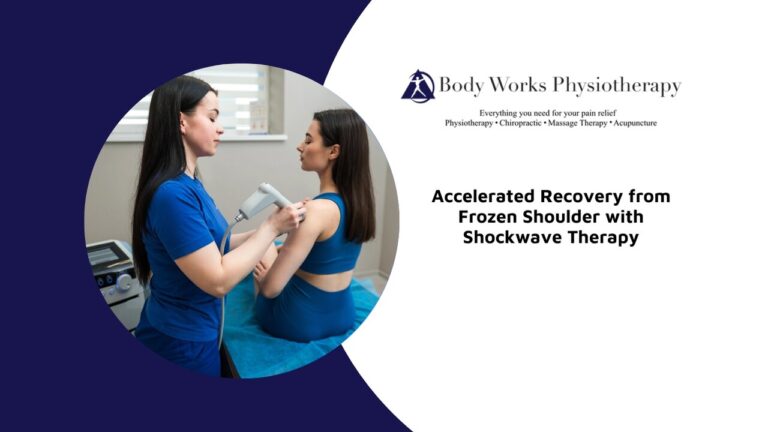
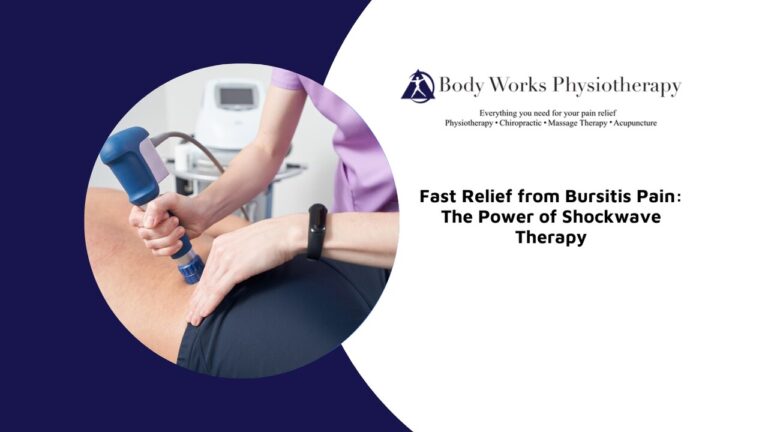
During a shockwave therapy session for sciatica, an individual can expect a quick and straightforward process involving the application of a gel and the use of a handheld device that delivers sound waves to the affected area. The procedure is generally well-tolerated, with minimal discomfort.
| Initial Assessment | Before starting, the physiotherapist will assess the individual’s condition to determine the appropriate treatment plan and target areas. |
| Application of Gel | A conductive gel is applied to the skin over the affected area to facilitate the transmission of sound waves. |
| Use of Handheld Device | The physiotherapist will use a handheld device to deliver controlled pulses of sound waves to the target area. |
| Sensation During Treatment | Individuals might feel a tapping or tingling sensation; however, the intensity can be adjusted to ensure comfort. |
| Duration of Session | Each session typically lasts between 15 to 20 minutes, depending on the severity and extent of the condition. |
| Minimal Discomfort | Most people experience little to no discomfort during the procedure, although some might feel slight soreness afterward. |
| Post-Treatment Guidance | Following the session, the healthcare provider might offer advice on activities to avoid or exercises to perform to enhance recovery. |
To sum up, a shockwave therapy session for sciatica is a simple, non-invasive procedure that focuses on providing targeted relief, with most individuals finding it a comfortable and effective experience.
How Many Sessions of Shockwave Therapy Are Typically Needed for Sciatica Relief?
The number of shockwave therapy sessions needed for sciatica relief can vary, typically ranging from three to six sessions based on the individual’s specific condition and response to treatment. Factors such as the severity of symptoms, overall health, and lifestyle can influence the number of sessions required to achieve optimal results.
Initially, a physiotherapist will conduct a comprehensive assessment to understand the underlying issues and tailor a treatment plan. In most cases, individuals begin with weekly sessions, allowing time for the body to respond to each treatment. After the first few sessions, the frequency might be adjusted based on progress and feedback. Some people may notice significant improvement after just a couple of sessions, while others might require additional treatments for sustained relief. The non-invasive nature of shockwave therapy and its ability to target pain effectively make it a favourable option for many, as it often leads to long-term improvements without the need for continuous ongoing treatment.
In summary, while the exact number of shockwave therapy sessions can vary, a personalized approach ensures that individuals receive the most effective care tailored to their needs and circumstances.
Are There Any Risks or Side Effects Associated With Shockwave Therapy for Sciatica?
Shockwave therapy for sciatica is generally considered safe, with minimal risks or side effects. However, some individuals might experience temporary soreness, swelling, or bruising in the treated area. The non-invasive nature of the procedure contributes to its safety profile.
- Temporary Soreness: Some individuals may experience mild soreness in the treated area, akin to post-exercise discomfort, which typically resolves within a day or two.
- Swelling: There might be slight swelling as a result of increased blood flow to the area, although this is usually minimal and temporary.
- Bruising: In rare cases, minor bruising can occur, particularly if the skin is sensitive or the intensity of the treatment is high.
- Sensitivity: The treated area may feel temporarily sensitive, but adjustments to the intensity of the treatment can minimize discomfort.
- No Downtime Required: Unlike surgical procedures, shockwave therapy does not require downtime, allowing individuals to return to their normal activities immediately.
- Contraindications: Pregnant individuals or those with specific health conditions, such as blood clotting disorders, should consult a healthcare provider to determine if shockwave therapy is appropriate.
- Rare Side Effects: More severe side effects are rare, underscoring the overall safety of the treatment when administered by a qualified professional.
Overall, the risks associated with shockwave therapy for sciatica are minimal, making it a safe and appealing choice for many seeking relief from sciatic nerve pain.
Can Shockwave Therapy Help Prevent the Recurrence of Sciatica Symptoms?
Shockwave therapy can contribute to preventing the recurrence of sciatica symptoms by addressing underlying issues and promoting tissue recovery. By enhancing circulation, reducing inflammation, and improving tissue strength, this treatment supports long-term health and function. Additionally, it may complement other preventive measures such as exercise and ergonomic adjustments.
Focusing on the root causes of sciatic pain, shockwave therapy helps improve overall tissue resilience. The stimulation of collagen production and tissue repair can lead to stronger, more flexible structures around the sciatic nerve, reducing the likelihood of future irritation. Moreover, by alleviating muscle tension and releasing trigger points, the treatment minimizes stress on the nerve. Coupled with lifestyle modifications and physiotherapy exercises, shockwave therapy can form a comprehensive approach to maintaining nerve health and preventing future flare-ups. For those with recurring sciatica, a proactive treatment plan that includes periodic shockwave therapy sessions could effectively manage symptoms and maintain mobility.
In summary, shockwave therapy serves as both a treatment and preventive measure for sciatica, supporting long-term recovery and reducing the risk of symptom recurrence through targeted approaches and complementary strategies.
Innovative Solutions for Pain
Shockwave therapy presents a valuable option for managing and potentially preventing sciatic nerve pain, offering both immediate relief and long-term benefits. Its non-invasive nature, minimal side effects, and effectiveness make it an appealing choice for many individuals. By targeting the root causes of sciatica, shockwave therapy promotes tissue recovery and enhances quality of life.
If you are experiencing sciatica symptoms and seeking a personalized approach to care, contact us at Body Works Physiotherapy in Scarborough for professional guidance and support tailored to your needs.
Frequently Asked Questions
How Long Does a Shockwave Therapy Session Last for Sciatica?
A typical shockwave therapy session for sciatica lasts between 15 to 20 minutes. This duration allows for effective treatment while being convenient enough to fit into a busy schedule without requiring significant downtime.
Is Shockwave Therapy for Sciatica Painful?
Most individuals find shockwave therapy to be well-tolerated, experiencing only mild discomfort during the procedure. The intensity of the treatment can be adjusted by the healthcare provider to ensure the individual’s comfort throughout the session.
How Soon Can I Expect Results from Shockwave Therapy for Sciatica?
Some people notice pain relief after just one or two sessions, while others may require additional treatments to experience significant improvement. The response to shockwave therapy can vary based on the individual’s condition and overall health.
Can Shockwave Therapy Be Combined with Other Treatments for Sciatica?
Yes, shockwave therapy can be effectively combined with other treatments such as physiotherapy exercises, stretching, and lifestyle modifications to enhance overall outcomes and provide comprehensive care for sciatica.
Is Shockwave Therapy Covered by Insurance for Sciatica Treatment?
Coverage for shockwave therapy varies depending on the insurance provider and specific policy. It is advisable to check with your insurance company to determine if this treatment is covered under your plan for sciatica management.