
Targeted relief for muscle tension, trigger points, and movement limitations — at Body Works Physiotherapy in Scarborough, Ontario.
How Can Dry Needling Help Your Pain in Scarborough, Ontario?
If you spend long hours at a desk, work in a physically demanding job, or push yourself through weekend sports and recreational activities, muscle tension and pain can quietly build up over time. Dry needling is a physiotherapy technique used at Body Works Physiotherapy in Scarborough, Ontario, to address tight muscles and trigger points that contribute to discomfort and restricted movement.
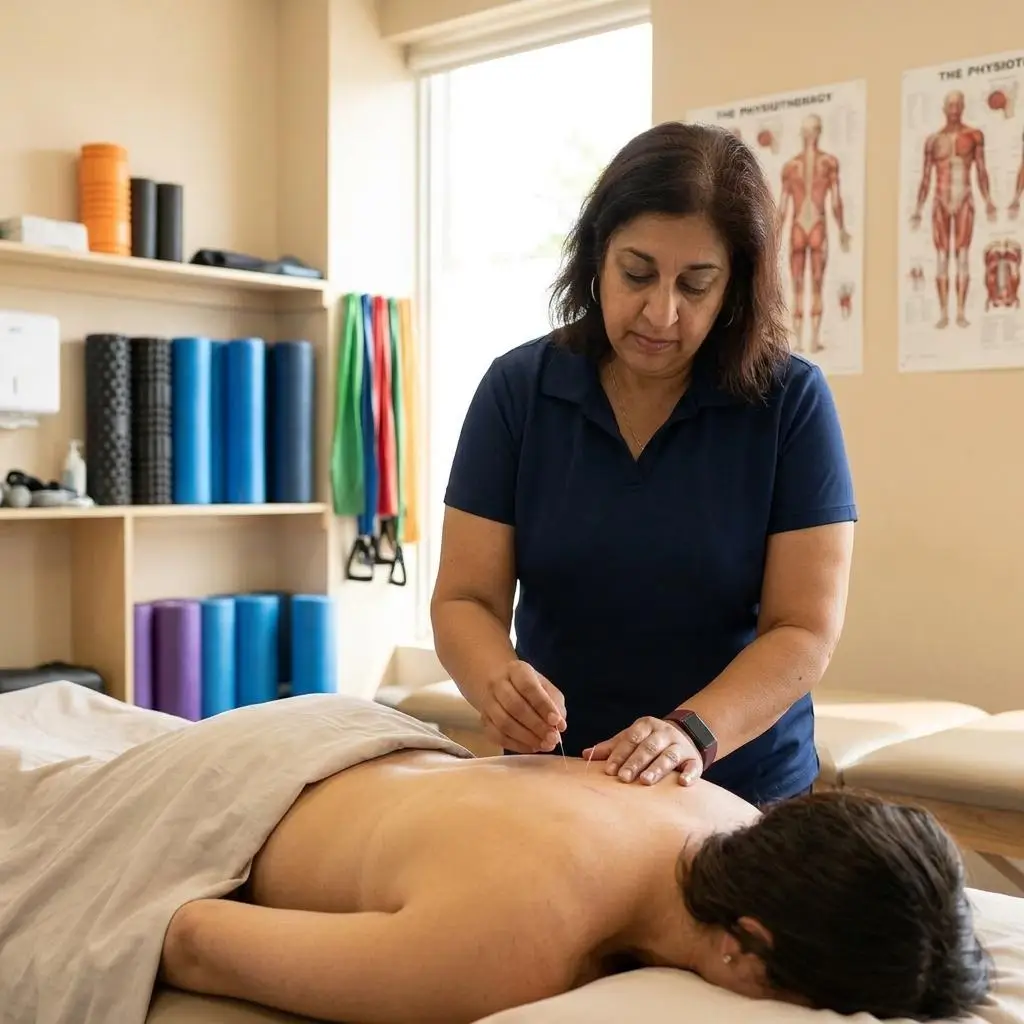
A physiotherapist uses thin, sterile needles to target specific bands of overactive muscle tissue. The aim is to help calm muscle spasm, encourage improved circulation to the area, and support a more comfortable range of motion. For many people in Scarborough — from factory workers with repetitive strain to office professionals dealing with postural tension — dry needling becomes a valuable component of a broader physiotherapy plan when other measures have not provided lasting relief.
What Is Dry Needling and How Does It Work in Physiotherapy?
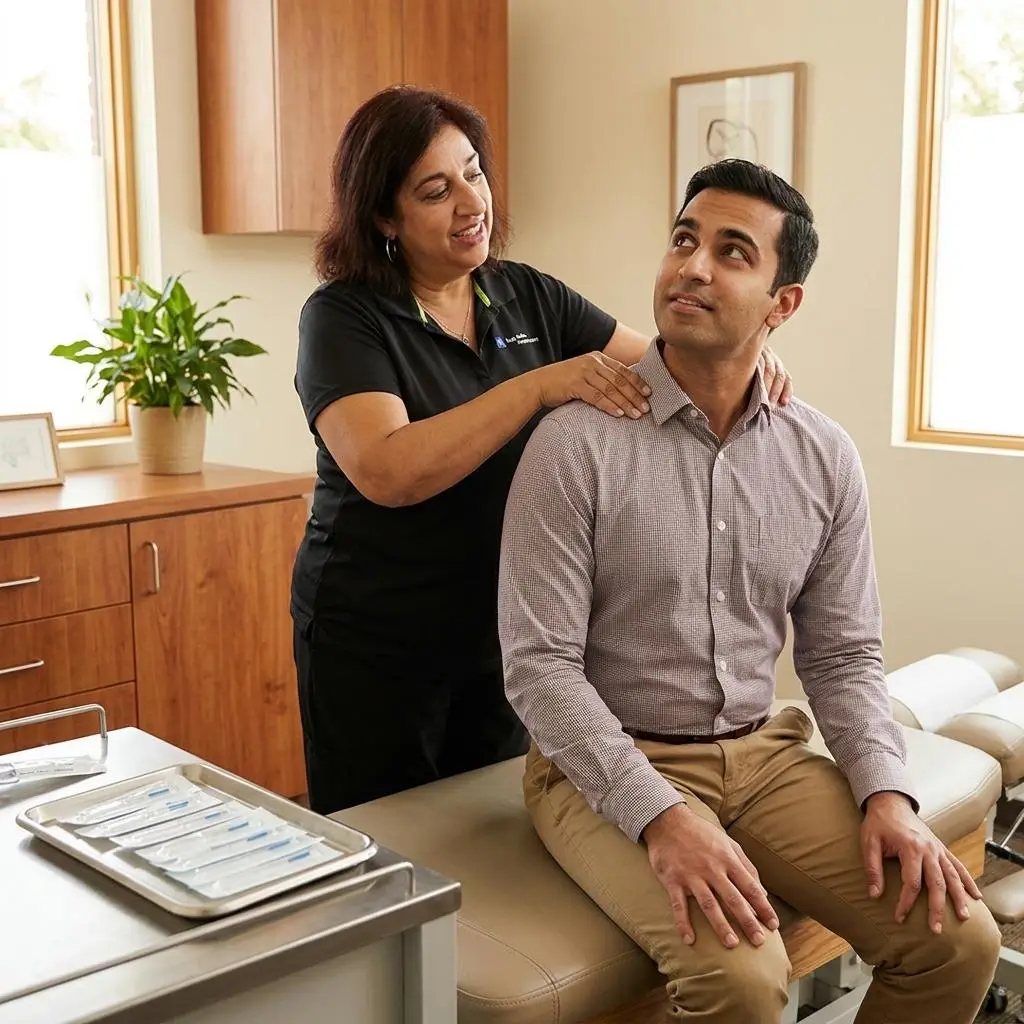
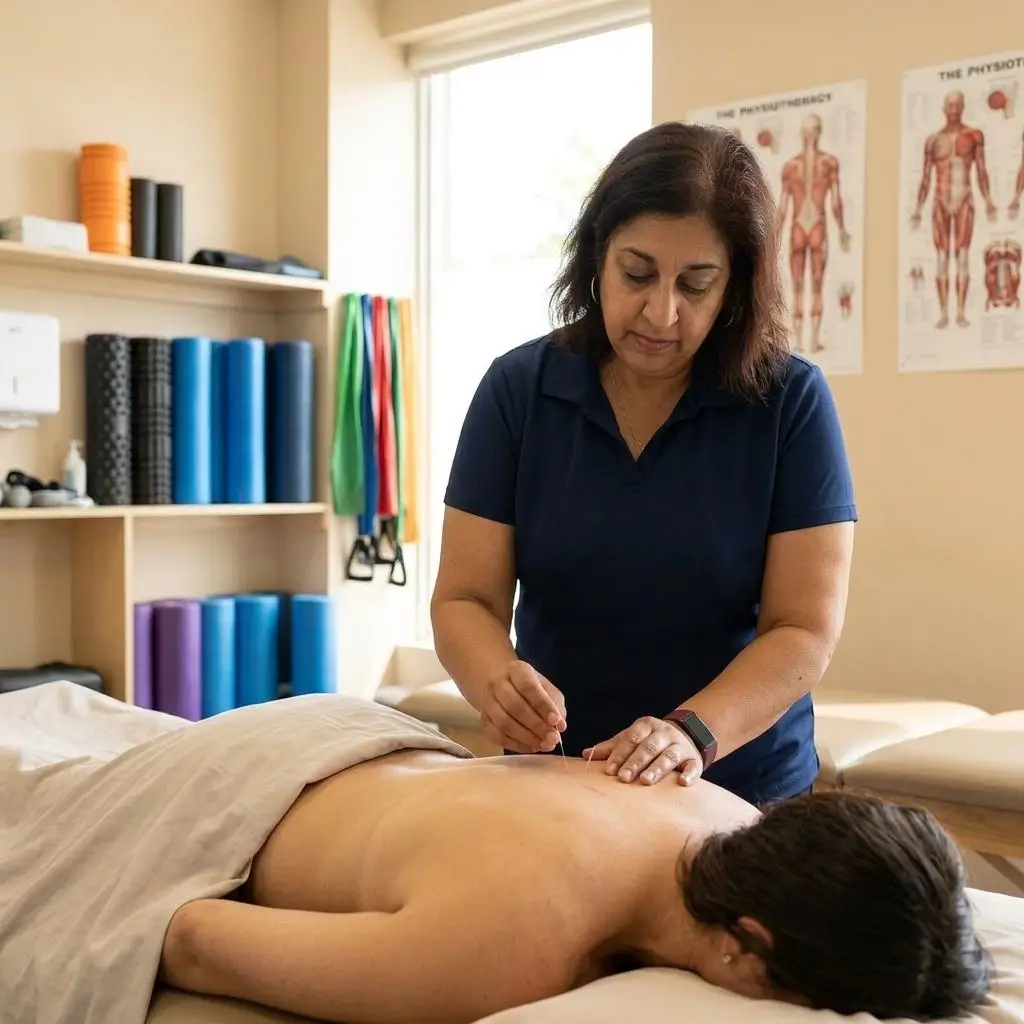
Dry needling is grounded in contemporary anatomy and neurophysiology, setting it apart from other needling practices. Thin, solid needles are carefully inserted into trigger points — localized areas of muscle tightness that can produce local pain or refer discomfort to other regions of the body. The “dry” in dry needling simply means no substance is injected; the needle itself is the therapeutic tool.
When the needle contacts an active trigger point, it can provoke a brief local twitch response. This involuntary muscle reaction is considered a sign that the treatment is interacting with the targeted tissue. Following the twitch, muscle tension often decreases and sensitivity in the area may reduce. At Body Works Physiotherapy in Scarborough, Ontario, dry needling is incorporated into appointments that also include exercises, manual therapy, and movement education — so the benefits extend well beyond the needling itself.
What Are the Benefits of Dry Needling for Your Pain?
Reduced Muscle Tension
Short-term reduction in stiffness and the sensation of tightness in overworked muscles.
Improved Circulation
Suction encourages blood flow to treated areas, which may support the body’s natural recovery processes.
Decreased Sensitivity
Cupping may assist recovery following physical exertion, training, or demanding physical work.
Restored Movement Patterns
When tight muscles begin to relax, it becomes easier to move with proper mechanics — supporting recovery and reducing the risk of recurring strain.
Complements Other Therapies
Dry needling works well alongside manual therapy, rehabilitative exercise, and education, forming part of a well-rounded physiotherapy treatment plan.
Efficient Treatment Sessions
Dry needling is a focused technique that fits into a regular physiotherapy appointment, making it a practical option for people with busy work and family schedules.
What Conditions Can Dry Needling Help With?
Dry needling may be incorporated into a physiotherapy plan for a range of muscle and movement-related concerns, including:
How Is Dry Needling Different From Acupuncture?
Both dry needling and acupuncture use thin needles inserted into the body, but the underlying frameworks that guide each practice are distinct. Dry needling is rooted in musculoskeletal anatomy and neuroscience. A physiotherapist trained in dry needling selects needle placement based on your movement assessment, muscle function, and the location of identified trigger points — not on energy meridians or traditional pathways.
Acupuncture is a practice originating from traditional Chinese medicine, where needle placement is guided by the concept of Qi (life energy) flowing through meridians in the body. While acupuncture can address a broad range of wellness concerns, dry needling at Body Works Physiotherapy in Scarborough, Ontario is specifically applied within a musculoskeletal physiotherapy context to support recovery from pain and movement dysfunction.
Your physiotherapist can discuss both options with you and explain which approach — or combination of approaches — may be most aligned with your condition and goals.
Improve and maximize your health today!
What Can You Expect During a Dry Needling Session?

Initial Assessment
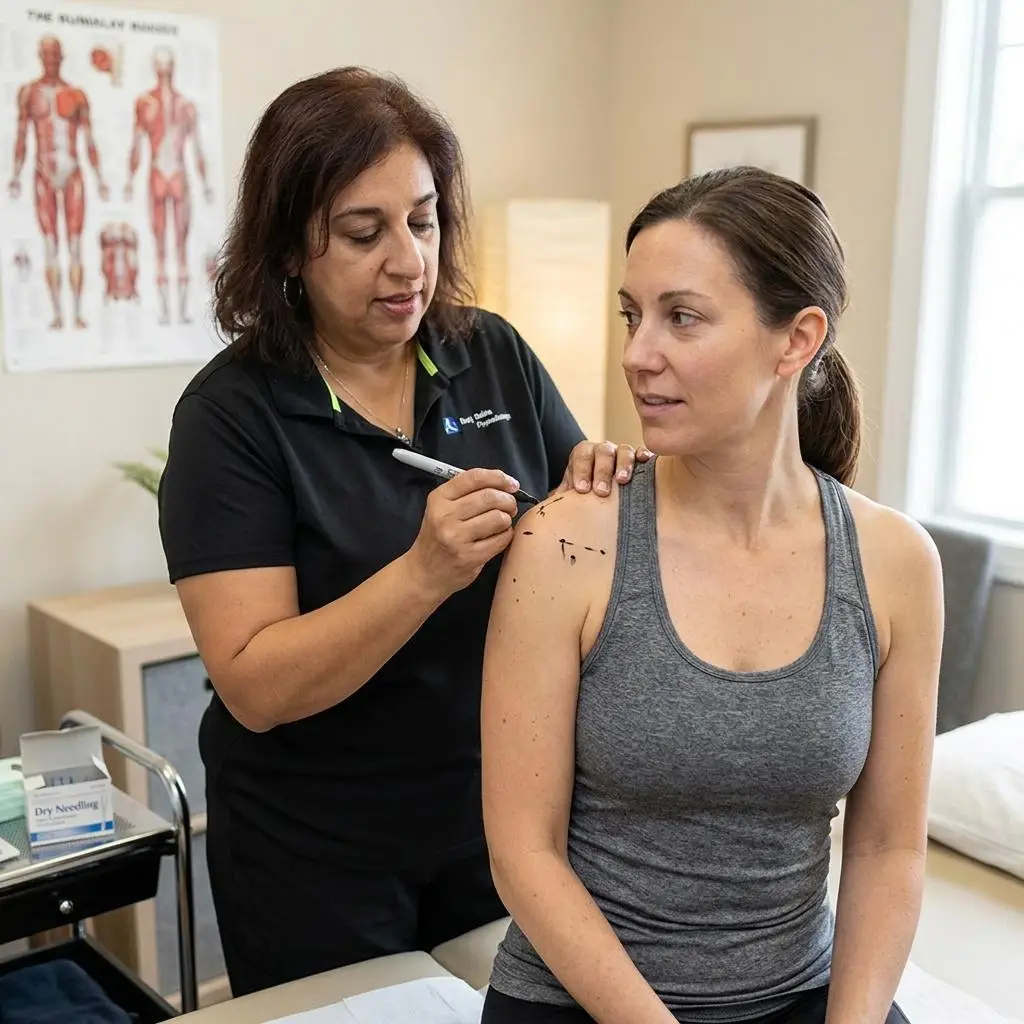
Your physiotherapist begins by reviewing your medical history, current symptoms, and movement patterns to determine whether dry needling is appropriate and to identify which muscle groups to address.
Needle Insertion
The treatment area is cleaned, and thin, sterile needles are gently placed into specific trigger points. You may notice a brief twitch response, mild cramping, or a deep aching sensation that typically resolves quickly.
Recovery & Next Steps
After needling, your physiotherapist will guide you on activity, stretching, and self-care. The dry needling component typically takes 10–20 minutes within a full 30–45 minute physiotherapy appointment.
Mild muscle soreness for 24–48 hours following a session is a normal response. Most people are able to return to daily activities right away. Progress is often most noticeable when dry needling is paired with targeted exercises and other hands-on physiotherapy techniques.
How Do You Know If Dry Needling Is Right for You?
Dry needling may be worth exploring if you have persistent muscle tightness, stubborn trigger points, or movement limitations that have not responded well enough to stretching, rest, or massage on their own. It can be particularly relevant for people in Scarborough, Ontario who spend prolonged periods in a fixed posture — whether seated at a workstation, standing on a production floor, or repeatedly using the same muscles in a trade or service role.
That said, it is not the right choice for everyone. Your physiotherapist will carefully review your health history, any relevant medications, and your personal comfort level before incorporating dry needling into your plan. Certain medical conditions and contraindications mean that other physiotherapy approaches may serve you better.
An initial consultation at Body Works Physiotherapy gives you the opportunity to ask questions, understand how dry needling fits with your overall care, and make an informed decision alongside your physiotherapist.
What Should You Do After a Dry Needling Session?
Post-treatment muscle soreness is the most common experience following dry needling at Body Works Physiotherapy in Scarborough, Ontario. This sensation — often described as a heaviness or mild ache similar to the feeling after a challenging workout — typically resolves within one to two days.
To support your recovery, your physiotherapist may recommend staying well-hydrated, doing gentle mobility exercises, and keeping active with light movement rather than complete rest. Depending on how your body responds, applying heat or a cold pack to the treated area may also be suggested. If you have physically demanding work or athletic training planned, your physiotherapist will advise on whether to temporarily modify intensity in the hours following treatment.
Should you notice anything beyond typical post-treatment soreness — such as marked swelling, increasing pain, or any other symptoms that concern you — reaching out to the clinic promptly is always the right step. Following your home program and self-care guidance is an important part of making dry needling as effective as possible.
Is Dry Needling Covered by Insurance in Ontario?
In Ontario, dry needling is typically delivered as part of a physiotherapy appointment rather than billed as a standalone procedure. Whether your sessions are reimbursed depends on the physiotherapy coverage outlined in your extended health benefits plan. OHIP does not generally fund physiotherapy services provided in private outpatient clinic settings.
Many extended benefit plans do include physiotherapy coverage, which may encompass dry needling when it is part of your treatment. Policy details vary, so it is worth contacting your insurer directly to confirm the scope of your coverage and whether a physician referral is required under your plan.
Body Works Physiotherapy offers direct billing to a wide range of extended health plans where available, reducing paperwork and out-of-pocket administrative burden for you. The team can help clarify how billing works and what to expect before you begin treatment.
Start Dry Needling Treatment in Scarborough, Ontario
If recurring muscle tension, a sports injury, or workplace strain is limiting how you move and feel each day, Body Works Physiotherapy in Scarborough, Ontario is ready to help. Your physiotherapist will assess your condition, discuss your goals, and determine whether dry needling belongs in your recovery plan.
You don’t need to have decided about dry needling before coming in. The assessment process itself is an opportunity to learn, ask questions, and explore all of your treatment options — from manual therapy to exercises to dry needling — so your care reflects your needs and comfort.
Same-day appointments are available. Book online or call the clinic to find a time that fits your schedule. The team will let you know exactly what to bring, how to prepare, and what to expect at your first visit.
Dry Needling FAQ
Reach out if you can’t find what you’re looking for.